



 11:39 2026-01-30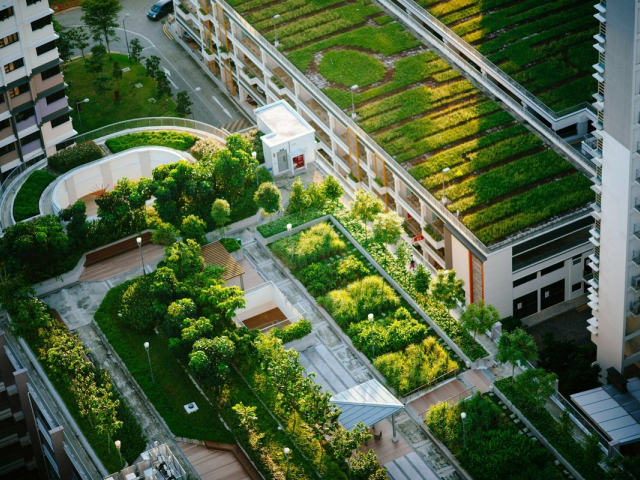
 627
627 6
6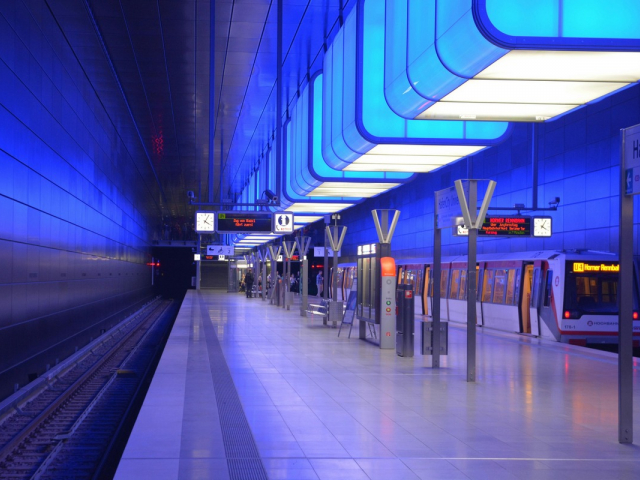

Tokyo’s green code — biophilia on rooftops
Tokyo pioneered mandatory green roofs. A large share of the city’s flat roofs must be covered with vegetation. This measure fights the urban heat island and smog. It also functions as large‑scale biophilia therapy.
Psychological effect. The sight of big green areas amid concrete reduces cortisol, the stress hormone, of office workers who look out from skyscraper windows. Green in architecture is a visual reminder of nature. It helps preserve mental health in an overcrowded city.
Blue light for safety in parking and platforms
Bright blue lighting (Blue Light Emitting Diodes) is being installed in high‑risk zones: underground parking, rail platforms, and dark alleys. Tokyo and Glasgow first used the method to prevent rail suicides. By 2026, its applications had expanded.
Psychological effect. Many people associate blue with police lights and, in a broader sense, with authority. Blue, therefore, disciplines behavior subconsciously. It signals strict control and calm.
Pink “anti‑stress” — lamps that dampen aggression
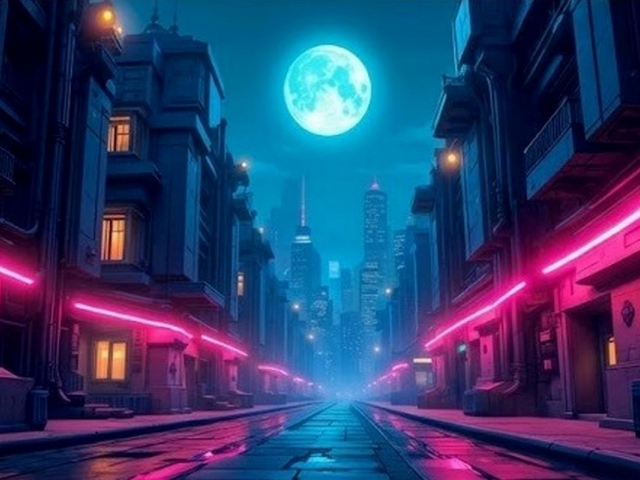
In troubled districts of some European and US cities, yellow streetlights were replaced with soft pink, known as “Cool Down Pink.” Studies show this specific shade lowers heart rate and suppresses adrenaline release.
Psychological effect. Pink works as a visual tranquilizer. Teen gangs or aggressive passersby entering a pink zone lose the physical impulse to fight. This is an example of lighting used as a preventive measure against street violence.
Dazzling white —psychology of coolness
In hot cities such as Los Angeles and Riyadh, roads and roofs are being painted in ultra‑white. Beyond reflecting sunlight, the color triggers a psychological response.
Psychological effect. The brain reads white as sterile and cool. In extreme heat, this perception reduces “temperature anger,” the aggression caused by overheating. The city looks fresher even when temperatures reach 40 degrees Celsius.
Amber warmth — building community
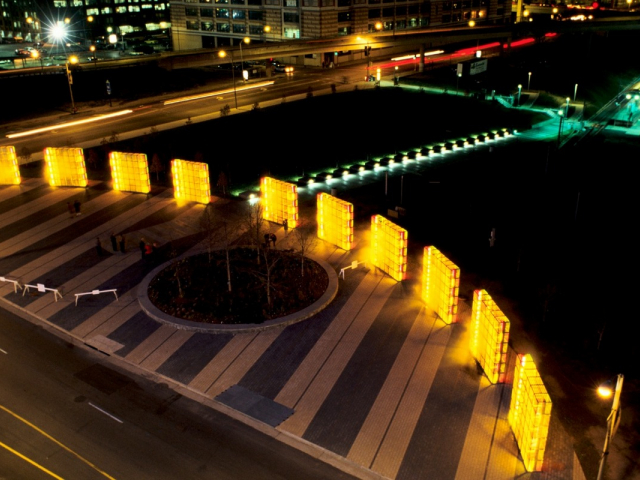
In central squares and residential neighborhoods of 2026, planners favor deep amber and warm orange over cold light.
Psychological effect. This spectrum mimics firelight or sunset. It stimulates oxytocin, the trust hormone. Amber light encourages conversation and reduces social loneliness, a leading cause of depression in big cities.
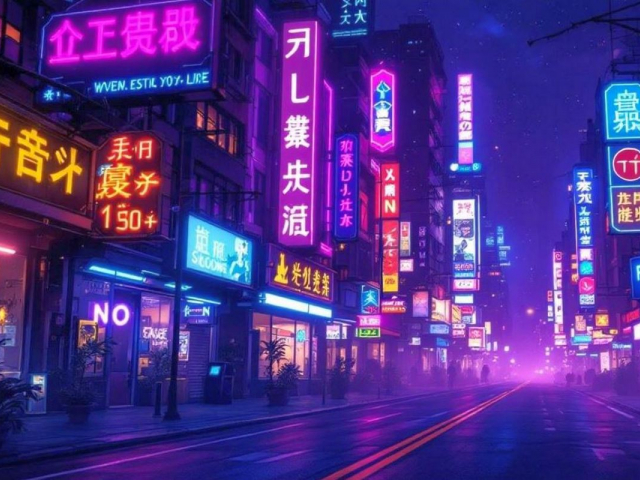
Violet clusters — stimulating creativity
Technology hubs and arts districts often use violet and neon purple illumination.
Psychological effect. Violet is a complex spectrum for perception. It makes the brain work harder. The color signals innovation and intuition. This lighting literally switches on passerby imagination and creates an atmosphere of a possible future.


-
Grand Choice
Contest by
InstaForexInstaForex always strives to help you
fulfill your biggest dreams.JOIN CONTEST -
Chancy DepositDeposit your account with $3,000 and get $1000 more!
In February we raffle $1000 within the Chancy Deposit campaign!
Get a chance to win by depositing $3,000 to a trading account. Having fulfilled this condition, you become a campaign participant.JOIN CONTEST -
Trade Wise, Win DeviceTop up your account with at least $500, sign up for the contest, and get a chance to win mobile devices.JOIN CONTEST


